

Statistical Analysis
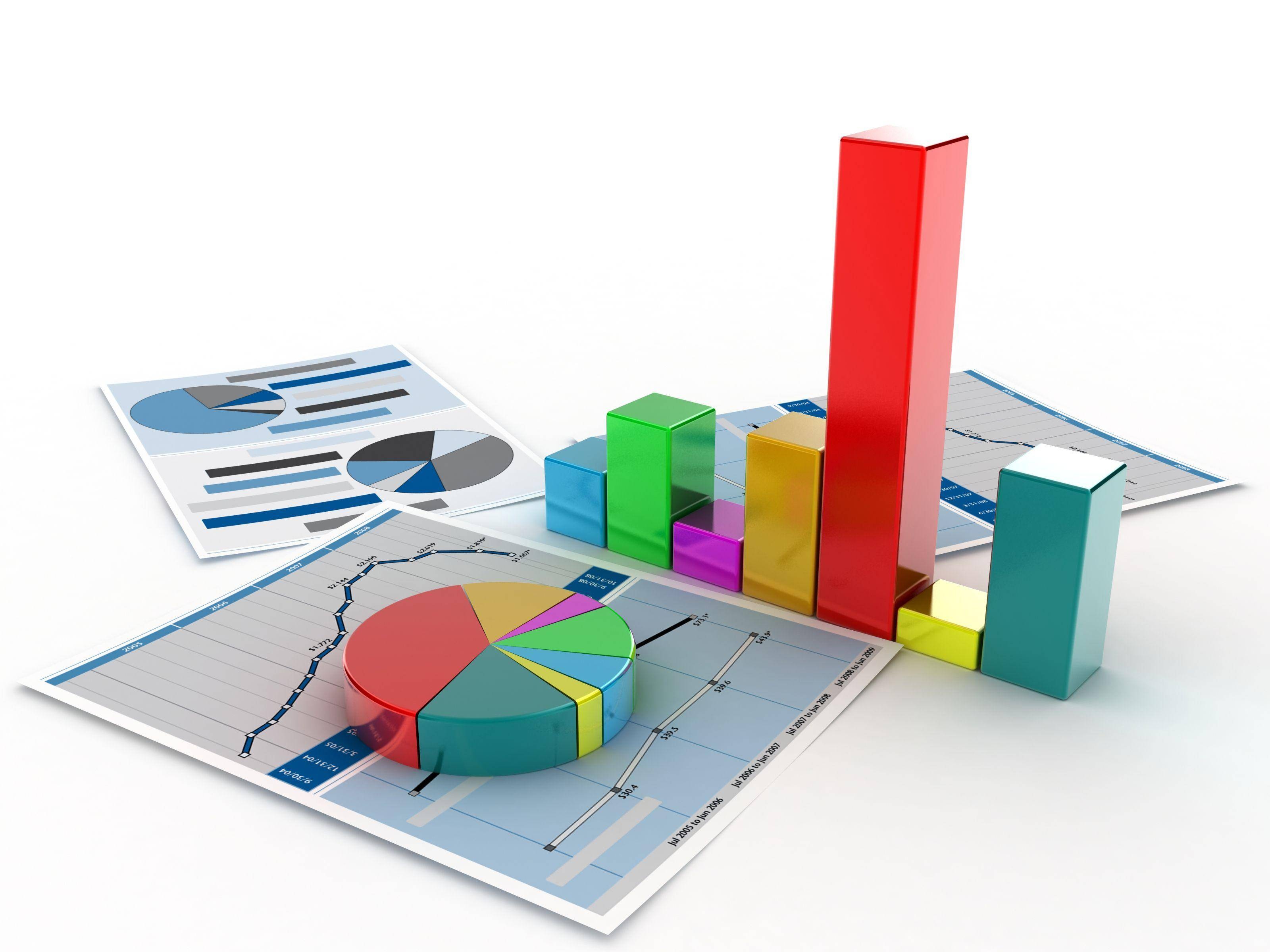
Once you have collected quantitative data, you will have a lot of numbers. It’s now time to carry out some statistical analysis to make sense of, and draw some inferences from, your data.
Statistical analysis is the science of collecting, exploring and presenting large amounts of data to discover underlying patterns and trends.
Today’s data volumes make statistics ever more valuable and powerful. Affordable storage, powerful computers and advanced algorithms have all led to an increased use of computational statistics.
Whether you are working with large data volumes or running multiple permutations of your calculations, statistical computing has become essential for today’s statistician.
Popular statistical computing practices include:
• Statistical programming – from traditional analysis of variance and linear regression to exact methods and statistical visualisation techniques, statistical programming is essential for making data-based decisions in every field.
• Econometrics – modelling, forecasting and simulating business processes for improved strategic and tactical planning. This method applies statistics to economics to forecast future trends.
• Operations research – identify the actions that will produce the best results – based on many possible options and outcomes. Scheduling, simulation, and related modelling processes are used to optimise business processes and management challenges.
• Matrix programming – powerful computer techniques for implementing your own statistical methods and exploratory data analysis using row operation algorithms.
• Statistical visualisation – fast, interactive statistical analysis and exploratory capabilities in a visual interface can be used to understand data and build models.
• Statistical quality improvement – a mathematical approach to reviewing the quality and safety characteristics for all aspects of production.